Pillars
How we work
We build critical AI literacy by helping people develop practical skills, make sense of emerging technologies, and take collective action to shape the digital future.
LEARN
Workshops, courses, and educational resources that build practical AI literacy, critical thinking, and digital resilience.
UNDERSTAND
Research, investigations, and stories exploring AI, media, digital rights, and the changing information ecosystem.
ACT
Campaigns, advocacy, and public engagement that defend digital autonomy and promote technologies that serve the public interest.
Insights
What we're thinking about
Recent analysis and reporting from the field
My Feed, My way
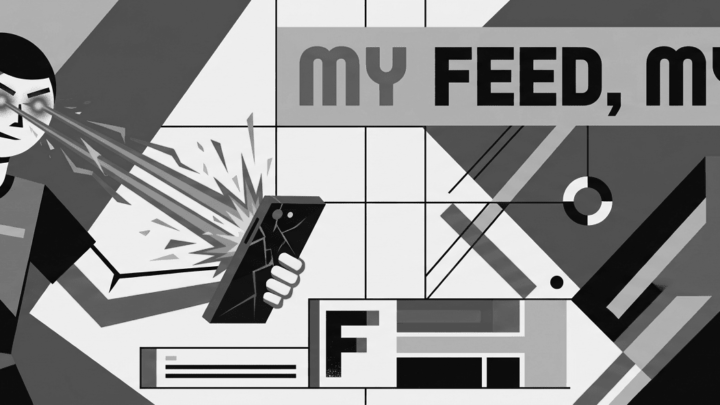
Australia’s proposed "My Feed, My Way" reform promises to let users turn off algorithmic feeds. Is it a genuine step toward user agency, or just a cosmetic toggle inside walled gardens?
Read more →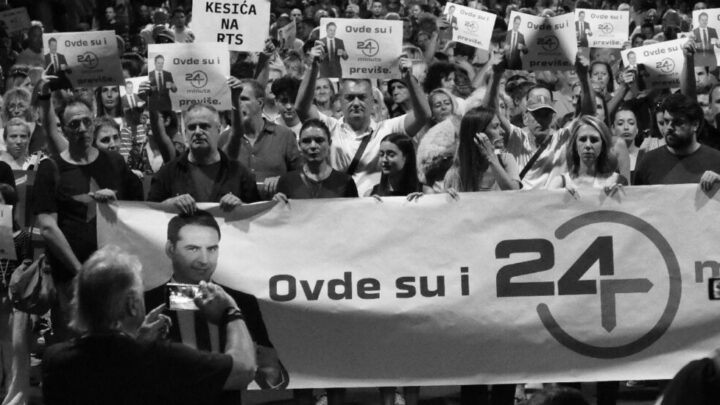
ZORAN KESIĆ HAS FALLEN AND RISEN, WHILE SERBIA’S PRESS FREEDOM KEEPS SINKING
At the dawn of Serbian elections As Serbia heads toward a decisive vote, President Aleksandar Vučić continues silencing his critics. A major voice of dissent has just been taken off the air. 24 Minuta, the satirical show hosted by Zoran Kesić, was pulled from Nova S television in early September, ending a 13-year on-air run—a […]
Read more →
The Horror Was Never the Monster: Who Benefits from AI Apocalypse Narratives?
Anthropic researcher, Jacob Coxon, recently announced he was leaving Anthropic because there’s a non-trivial chance AI is going to wipe us off the face of the earth. His claim was backed by his colleague Evan Hubinger, head of alignment, who agreed on Twitter/X saying many inside the company believe there is a >10% chance AI […]
Read more →
Chat Control: Trading away privacy protects no one
On 9 July 2026 the European Parliament allowed the temporary ePrivacy derogation, the measure critics call Chat Control 1.0, to be revived. It did so even though a majority of voting Members opposed it, and even though the EU’s own Council legal service has warned that mandatory scanning of private messages risks violating Articles 7 […]
Read more →
Strengthening Digital Services Act implementation for public-interest outcomes
The Digital Services Act (DSA) set a high bar for safer, more transparent digital spaces. To deliver those promises on the ground—especially for civil society and independent media—the European Commission should sharpen guidance, resource enforcement, and create fast, practical interfaces for small actors. This policy position focuses on outcomes that matter to communities across the Union, not just the capitals.
Read more →
The Problems with Australia’s Under‑16 Social Media Ban
Australia’s world‑first ban on social media use for children under 16 has sparked intense debate across the country. While the policy was introduced to address concerns about mental health, cyberbullying, and addictive platform design, its rollout has revealed a complex web of social, technical, and ethical challenges. As the law took effect in December 2025, families, educators, and experts began to question whether the ban solves more problems than it creates.
Read more →No articles match your filters.
Calendar
Events & Workshops
Whether we're speaking on a panel or hosting a workshop, keep up to date and join us for hands-on learning and community dialogue.
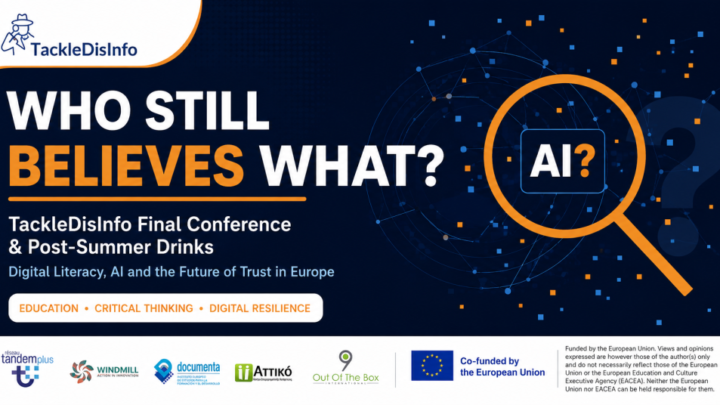
Tackledisinfo – Final Conference
Brussels
Disinformation is evolving rapidly. AI-generated media, algorithmic curation, and subtle online manipulation are raising fundamental questions for education: how do we prepare learners for an AI-saturated information ecosystem? Join TackleDisInfo in Brussels on 29 September 2026 for their Final Conference, “Who Still Believes What?”. The event marks the conclusion of the Erasmus+ TackleDisInfo initiative with […]
View event →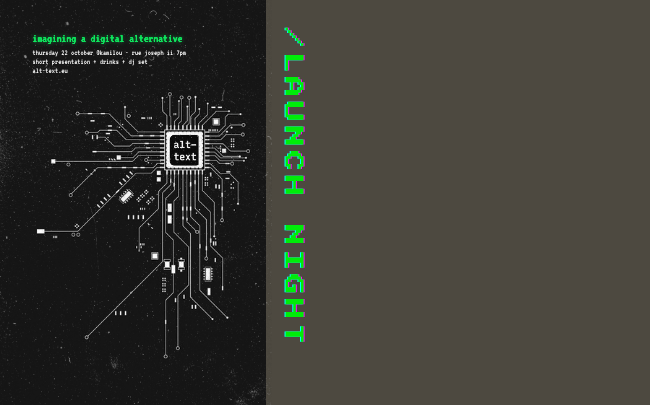
LAUNCH NIGHT – Imagining a Digital Alternative
Kamilou
ALT-TEXT is launching, and we would like you to be there. ALT-TEXT is a Brussels-based nonprofit (ASBL/VZW) working on critical AI literacy, media and information literacy, and digital autonomy. We help people understand the technologies shaping their lives and take back some control over them. Our work includes practical AI and media literacy training, workshops […]
View event →Directory
Find Free & Open Source alternatives to big tech
Our ALT-TECH directory of free and open source applications includes browsers, search engines, email, operating systems, cloud storage, password managers, messaging, social media and more.




























Help Us Build a Better Digital future
AI and emerging technologies are developing faster than our ability to keep up. ALT-TEXT is an independent NGO working towards critical AI literacy, digital autonomy and a more democratic digital and information sphere.
Every contribution helps us develop educational resources, advocate for sensible digital policy and give people practical alternatives to Big Tech.
Help keep this work independent. Donate today.