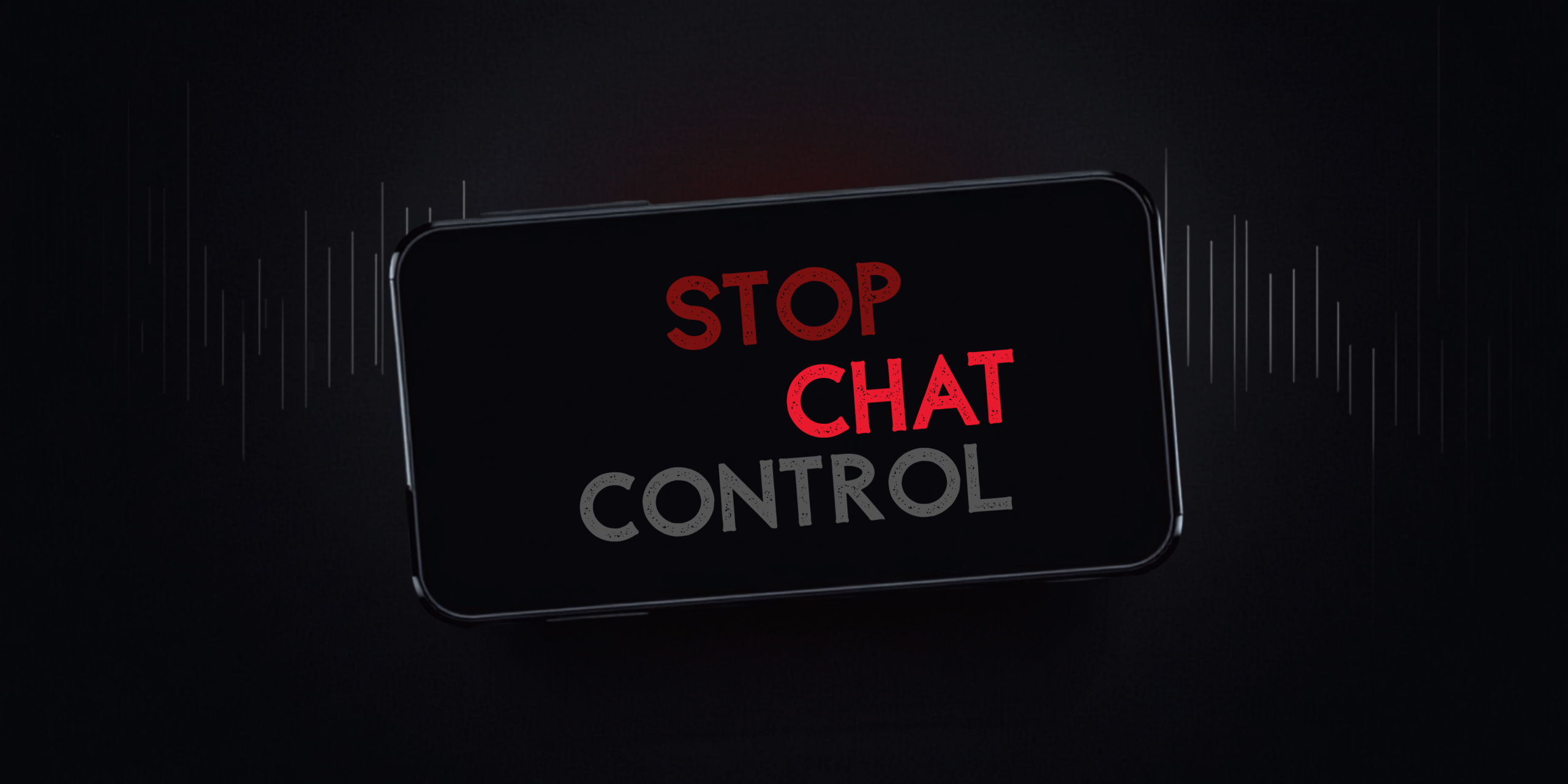
On 9 July 2026 the European Parliament allowed the temporary ePrivacy derogation, the measure critics call Chat Control 1.0, to be revived. It did so even though a majority of voting Members opposed it, and even though the EU’s own Council legal service has warned that mandatory scanning of private messages risks violating Articles 7 and 8 of the Charter of Fundamental Rights.
Derogations matter more than their modest wording suggests. A voluntary carve-out from a rights-protecting instrument establishes a precedent, and precedents are what potentially less democratically favourable future actors could return to. We have seen this already: Europol, according to minutes released under freedom-of-information rules, sought unfiltered access to all the data such scanning would produce, arguing that even an innocent image could one day prove useful. Once the principle that private messages may be scanned is conceded, the pressure is only ever to broaden it. The permanent Child Sexual Abuse Regulation (Chat Control 2.0), waits in trilogues to do exactly that.
We must also draw attention to the way this vote was handled, which is alarming. Reviving a rejected file under an urgent procedure, when much of the chamber had left for recess, is not how legitimate law is made. It trivialises the vote and clears a path for more dicey regulation tomorrow.
Thankfully, legit end-to-end encrypted (E2EE) services such as Signal and WhatsApp are exempt from scanning, which would in fact break encryption and force those providers to abandon the European market entirely.
A well-founded lesson remains so: trade freedom for safety and you get neither. ALT-TEXT calls on the EU to protect encryption in law, confine any detection to genuine suspects under judicial authorisation, and invest in the open, interoperable infrastructure that keeps Europeans both safe and free.
For more on Chat Control 1.0 read our position paper.